
Healing Heart Attack Recovery Through Laughter Therapy
- Emma Kate
- Sep 16, 2024
- 3 min read

Recovering from a heart attack often involves a blend of medical interventions and lifestyle changes to ensure both physical and emotional healing. While traditional heart attack treatment addresses physical recovery, emotional well-being is equally important for a full recovery.
One often overlooked but highly effective method for improving emotional health during recovery is laughter therapy. Laughter has profound effects on reducing stress, improving cardiovascular health, and promoting emotional resilience. In this blog, we will explore how laughter therapy can be a valuable addition to heart attack treatment, helping patients heal emotionally and physically.
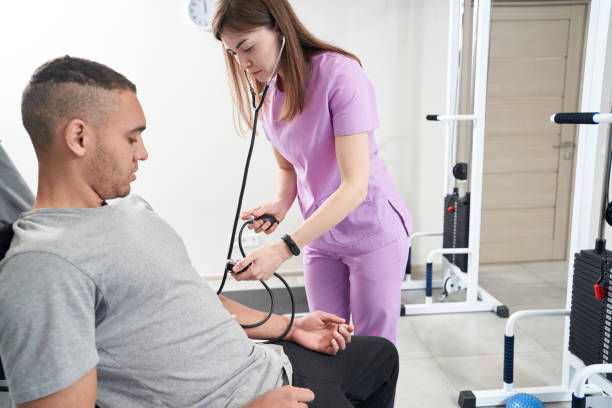
Role of Emotional Healing in Heart Attack Recovery
A heart attack is not just a physical event; it can also leave lasting emotional scars. Many patients experience anxiety, depression, or feelings of vulnerability in the weeks and months following their heart attack. Emotional stress can impede physical recovery, making it vital to address these feelings as part of a comprehensive treatment plan. Laughter therapy provides a natural way to boost emotional well-being, reduce stress, and promote a more positive outlook on life during recovery.
What is Laughter Therapy?
Laughter therapy, also known as humor therapy, uses the act of laughter to improve a person’s mental and physical health. The therapy encourages spontaneous or simulated laughter to boost mood, release endorphins, and reduce stress. This practice can be part of a structured therapy session led by a trained therapist, or it can be integrated into daily life through humorous activities, movies, or group laughter yoga sessions. For heart attack patients, laughter therapy can offer both short-term stress relief and long-term emotional resilience.
The Science Behind Laughter and Heart Health
Laughter is more than just a response to humor; it has scientifically proven health benefits. When you laugh, your brain releases endorphins, the body’s natural feel-good chemicals, which promote an overall sense of well-being. Laughter also reduces the levels of cortisol, a stress hormone that can negatively impact heart health by increasing blood pressure and heart rate. By lowering stress levels and promoting relaxation, laughter therapy supports cardiovascular health, making it an excellent addition to heart attack treatment.
How Laughter Therapy Reduces Stress and Anxiety
Stress and anxiety are common after a heart attack and can hinder the recovery process. When stress levels remain high, they place additional strain on the heart, raising blood pressure and increasing the risk of further cardiac events. Laughter therapy offers a simple yet effective way to counteract these negative effects. Laughter triggers the body’s relaxation response, lowers blood pressure, and reduces muscle tension, helping heart attack patients manage stress more effectively. Over time, laughter therapy can lead to a more relaxed, balanced emotional state, essential for recovery.
Laughter’s Impact on Physical Recovery and Cardiovascular Health
Laughter therapy does more than just improve mood—it also has tangible physical benefits, especially for cardiovascular health. When you laugh, your blood vessels dilate, which improves blood flow and increases oxygen intake. This process can help reduce the risk of blood clots and improve overall heart function. For heart attack patients, this means that laughter can contribute to better circulation and a healthier heart. Regular laughter therapy sessions can also improve physical endurance and energy levels, helping patients feel more capable and active during their recovery.
Types of Laughter Therapy for Heart Attack Patients
There are various forms of laughter therapy that heart attack patients can incorporate into their treatment plan. Some of the most popular methods include:
Laughter Yoga: A combination of breathing exercises, stretching, and voluntary laughter. Laughter yoga sessions can be done in groups and are designed to simulate laughter even when no humorous stimuli are present, triggering the same health benefits.
Comedy-Based Therapy: Watching funny movies, TV shows, or stand-up comedy acts can help stimulate natural laughter and uplift your mood.
Laughter Therapy Sessions: These are guided sessions with a therapist where patients are encouraged to laugh, share funny stories, and engage in playful activities that promote joy.
Conclusion
In conclusion, laughter therapy offers heart attack patients a unique and effective way to boost their emotional and physical recovery. By reducing stress, improving cardiovascular health, and promoting a positive mindset, laughter therapy can play a vital role in heart attack treatment. Whether through laughter yoga, comedy, or guided therapy sessions, incorporating laughter into your recovery plan can significantly enhance your overall well-being. For specialized heart care and expert advice on incorporating holistic therapies into your treatment, consult professionals like Atlantic Cardiovascular, who can provide the guidance you need for a complete and balanced recovery.


Comments